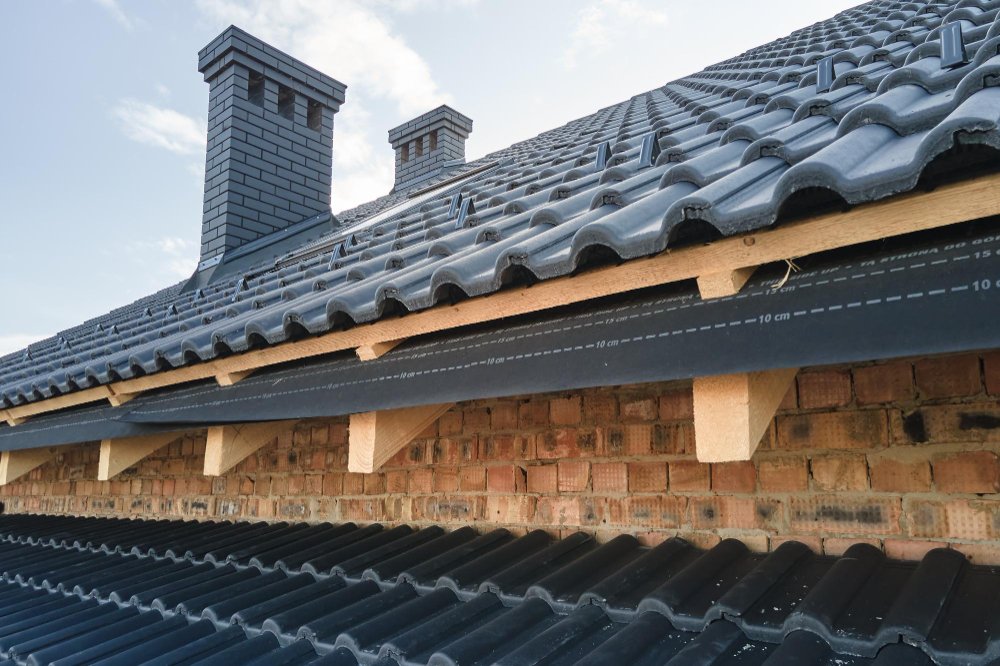
A built-up roof can provide substantial, multi-layer protection for a commercial building, but even a robust roofing system can develop problems when drainage, flashing, surfacing, penetrations, or maintenance are neglected. The challenge with Built Up Roofing is that the first visible symptom—often a ceiling stain or isolated leak—doesn’t always reveal where the problem began or how much of the assembly has been affected.
That is why successful roof management requires more than patching whatever looks damaged. Property owners need to identify the underlying cause, understand the condition of the complete assembly, and choose a solution proportionate to the problem. Sometimes that means a targeted repair. In other cases, restoration or replacement deserves serious consideration.
The Problem: When a Built-Up Roof Starts Losing Performance
PROBLEM: Recurring Water Intrusion
A leak is repaired, the interior dries, and everything appears normal—until water returns during another storm. Repeated leaks can indicate that the original repair addressed a symptom rather than the pathway allowing moisture into the roofing assembly.
Built-up roofing relies on multiple components working together. The membrane plies provide waterproofing redundancy, while flashing protects transitions, surfacing helps shield the assembly, and drainage moves water away from the roof. When one of these elements begins to fail, the effects can spread beyond the area where damage is first visible.
Common warning signs include recurring leaks, open or deteriorated flashing, cracks or splits, blisters, damaged surfacing, and water that remains on the roof longer than expected. Changes around drains, rooftop equipment, penetrations, and perimeter details also deserve attention because these areas involve transitions where different materials and building components meet.
BEFORE / AFTER EXAMPLE
Before: A facility repeatedly patches the roof directly above an interior water stain.
After: A broader inspection traces the moisture pathway, evaluates nearby flashing and drainage, and addresses the actual source of intrusion.
Why It Happens: What Causes BUR Systems to Deteriorate
Commercial roofs operate in a demanding environment. They experience sunlight, temperature changes, precipitation, wind, rooftop servicing, foot traffic, and the gradual aging of materials. Even when the primary roof field remains serviceable, localized details may deteriorate at different rates.
Drainage is one of the first conditions to investigate. Built-up roofs are low-slope systems rather than truly flat surfaces, and they depend on intentional pathways that direct water toward drains or scuppers. Debris, drainage restrictions, or changes in the roof surface can interfere with that process and increase the amount of time moisture remains on vulnerable areas.
PROBLEM: Blisters and Surface Changes
Raised areas, blisters, cracks, or changes in surfacing can indicate conditions within or at the surface of the roofing assembly that deserve professional evaluation. Cutting, puncturing, or covering them without diagnosis can create additional problems.
Rooftop activity can also contribute to deterioration. HVAC servicing, electrical work, equipment installation, and repeated foot traffic place physical demands on roofing surfaces. Tools can be dropped, materials dragged, and temporary work can disturb flashing or other details without the damage being immediately obvious.
Then there is simple aging. Bituminous materials, flashings, sealants, and protective surfaces do not remain unchanged indefinitely. Routine inspections help distinguish normal weathering from conditions that require corrective work.
Common Mistakes: Small Decisions That Create Bigger Problems
One of the most common mistakes is treating every roof leak as an isolated surface defect. Water can travel within a roof assembly or along structural components before becoming visible inside the building, so the wet ceiling tile may not sit directly beneath the entry point.
Another mistake is using incompatible or improvised repair materials. A quick patch may temporarily conceal an opening while making future professional repairs more complicated. Repairs should be selected for compatibility with the existing BUR assembly and performed using methods appropriate for the condition being addressed.
COMMON MISTAKES
- Waiting for an interior leak before inspecting the roof.
- Repeatedly patching the same general area without finding the cause.
- Ignoring blocked or poorly performing drainage.
- Allowing uncontrolled rooftop traffic.
- Using repair materials without confirming compatibility.
- Assuming a visibly dry surface means the underlying assembly is dry.
SOLUTION
Diagnose before repairing. Evaluate the roof field, flashing, drainage, penetrations, surfacing, and accessible underlying conditions so the repair addresses the cause—not merely the most visible symptom.
The Solution: Repair, Restore, or Replace?
Once the source and extent of deterioration are understood, the next decision becomes much clearer. A built-up roof with an isolated defect and otherwise serviceable conditions may be a strong candidate for targeted repair. The objective is to correct the damaged area using compatible materials while preserving the portions of the system that continue to perform properly.
Restoration may deserve consideration when deterioration is broader but the roof remains a suitable candidate for that approach. Depending on existing conditions and the selected system, restoration can involve repairing deficiencies and renewing protective surfaces rather than removing the complete roofing assembly. The key is determining whether underlying conditions support restoration before work begins.
BEFORE / AFTER EXAMPLE
Before: Maintenance decisions are based primarily on the location of visible leaks, resulting in repeated localized patches.
After: The roof is evaluated as a complete assembly, allowing repairs, restoration, or replacement to be selected according to documented conditions.
Replacement becomes a more important consideration when deterioration is widespread, moisture has affected significant portions of the assembly, repeated repairs are no longer producing reliable results, or existing conditions make restoration impractical. The decision should be based on inspection findings and project-specific requirements rather than roof age alone.
An experienced Built-Up Roofing Company should be able to explain why a particular approach is being recommended. Property owners should understand what conditions were discovered, which areas require attention, what the proposed work addresses, and how the solution fits into the property’s long-term maintenance strategy.
SOLUTION: Match the Scope to the Condition
Localized problem: Evaluate targeted repair.
Broader surface deterioration with suitable underlying conditions: Determine whether restoration is appropriate.
Widespread deterioration or significant moisture-related concerns: Evaluate replacement and the complete roof assembly.
Best Practices: How to Protect a Built-Up Roof Long Term
The most effective way to manage built-up roofing is to shift from reactive repairs to preventive care. Instead of waiting for water to appear inside the building, establish routine inspections that document changes in the roof before they develop into larger problems.
Drainage should remain a recurring priority. Keep drains, scuppers, gutters, and surrounding areas clear of debris, and investigate locations where water consistently remains after surrounding areas have drained. Persistent drainage concerns may indicate conditions that require more than routine cleaning.
Rooftop access also needs to be managed. Contractors servicing HVAC, electrical, communications, or other equipment should understand that the roof is a waterproofing system rather than simply a work platform. Frequently traveled areas may require additional protection appropriate to the roofing assembly.
SOLUTION: BUILD A PREVENTIVE MAINTENANCE ROUTINE
- ✓ Schedule regular professional inspections.
- ✓ Consider additional inspections after significant storms.
- ✓ Keep drainage pathways clear.
- ✓ Monitor flashing, penetrations, and perimeter details.
- ✓ Control unnecessary rooftop traffic.
- ✓ Address compatible repairs promptly.
- ✓ Document inspections, repairs, and rooftop work.
PROBLEM: Reactive Maintenance
Waiting until water reaches the building interior means the roofing system may already have been exposed to moisture for some time. Delayed action can make diagnosis more complicated and potentially expand the scope of corrective work.
SOLUTION: Proactive Inspection
Identify changes while they are still visible at the roof level. Early evaluation gives property owners more options and allows maintenance decisions to be planned rather than made during an emergency.
A More Proactive Approach to Commercial Roofing
Built-up roofing problems rarely become easier by ignoring them. A small flashing defect, restricted drain, damaged surface, or recurring leak deserves investigation because the visible symptom may represent only one part of the condition.
The solution is not automatically a larger roofing project. In fact, one of the advantages of a thorough professional evaluation is determining when limited corrective work is sufficient. Repair what can reasonably be repaired, consider restoration where conditions support it, and reserve replacement for situations where the existing assembly no longer provides a sound foundation for continued service.
For commercial property owners, that approach creates a better balance between roof performance and responsible asset management. **Inspect first, diagnose the cause, select the appropriate scope, and maintain the system after the work is complete.** Those principles help transform built-up roofing from a cycle of emergency repairs into a roofing asset that can be managed with greater predictability and confidence.